NEW BOOKS
2026-2027
A Practical Guide to Moult & Ageing
January 2027
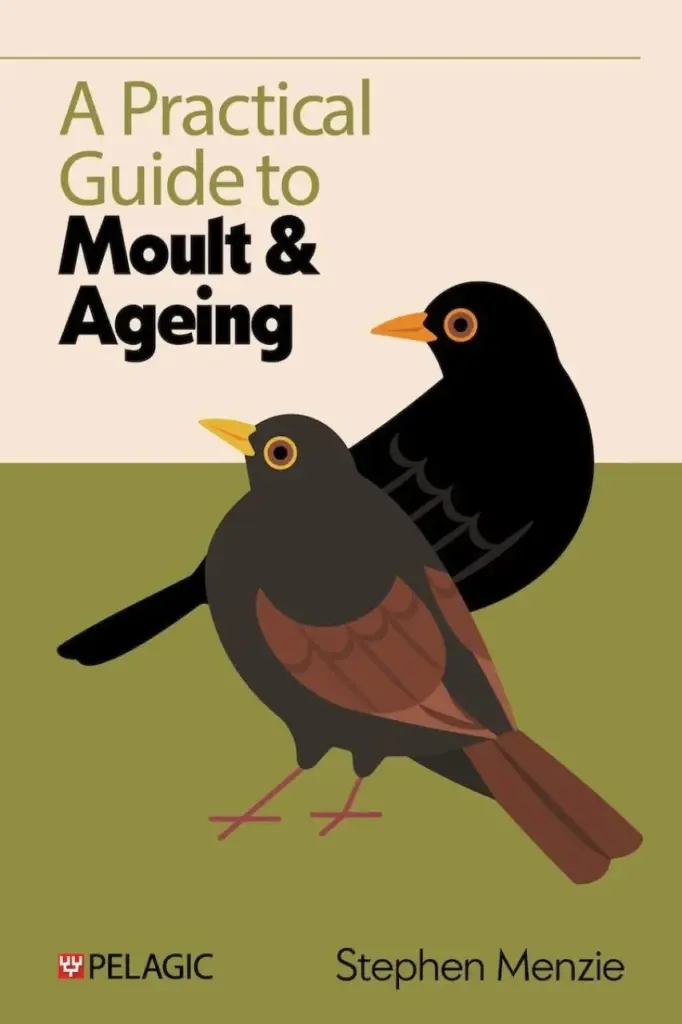
Every bird moults, and every birder sees the effects of this – be it in the shift from winter to summer plumage, or in the often more subtle change from immature to adult. Many birders will want to know the age of the bird they’re watching, but a lot of us lack sufficient knowledge to determine age or are side-tracked by incorrect assumptions. But, by learning a few basic rules, anyone can add an extra dimension to their birding and their understanding of birds by getting to grips with this important aspect of avian life. Rather than being a specific species-by-species guide, this book focuses on introducing the reader to general principles that can be used to understand the moult and age of virtually any bird. With these tools, we can use a bird’s moult pattern to say how old the bird is and to understand more about its life-history. Whether you are a beginner watching birds in the garden or a rarity-hunter trying to age a rare vagrant, A Practical Guide to Moult and Ageing will enrich your birding and enhance the data you gather.Parrots of the World
November 2026
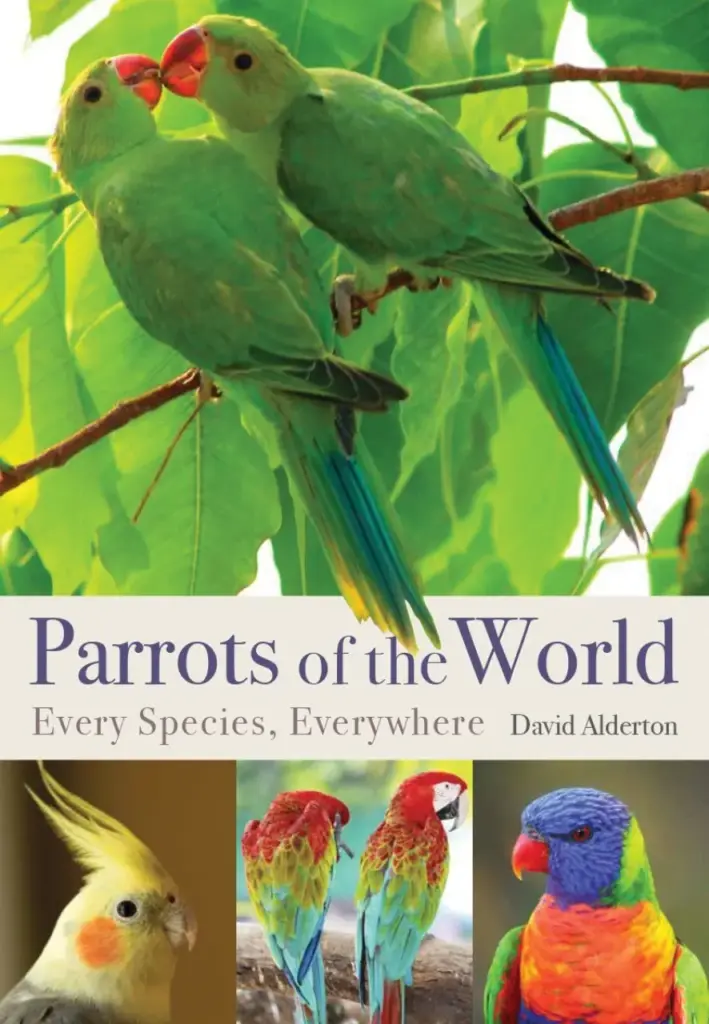
Parrots of the World is a compelling and up-to-date document and insight into the 400 living species, covering each with a detailed individual entry. It also discusses the biology and lifestyles of the very social parrots in more general terms. This comprehensive new book will appeal to everyone interested in parrots. Parrots of the World opens with an overview of the bird family, its origins and key discoveries from the fossil record, tracking their development around the world. It also highlights the unexpected fact that new species of parrot are still being found today and that there may be others awaiting discovery. The text then proceeds to define the characteristics of parrots and their inter-relationships. Their distinctive plumage is discussed of course, but also the unique anatomical features that assist their lifestyles: from brush-like papillae on the tongues of lories and lorikeets that allow them to sweep pollen grains into their mouths, to the impressive power inherent in the bills of large macaws, enabling them to crack the toughest-shelled palm nuts. Alderton explores parrots’ famous powers of mimicry in detail, including research that has been undertaken to test parrots’ intelligence, as well as non-vocal communication within the group, pair-bonding and nesting behaviour. A historical overview of the relationships between parrots and people (which date back millennia) completes the opening section and is followed by the major part of Parrots of the World: a detailed description of all the world’s species, divided into Old World and New World parrots. These entries are standardized, with each showing a distribution map and a photo of the described parrot. The section Parrots of the Old World is dividided into Africa: 24 species including lovebirds, gray and black parrots; and Asia, Australasia, Pacific Islands and New Zealand: 194 species including hanging parrots, rosellas, lories, lorikeets and cockatoos. The section Parrots of the New World covers all 179 species, including parrotlets, conures, Amazon parrots and macaws.Birds of Finland
August 2026
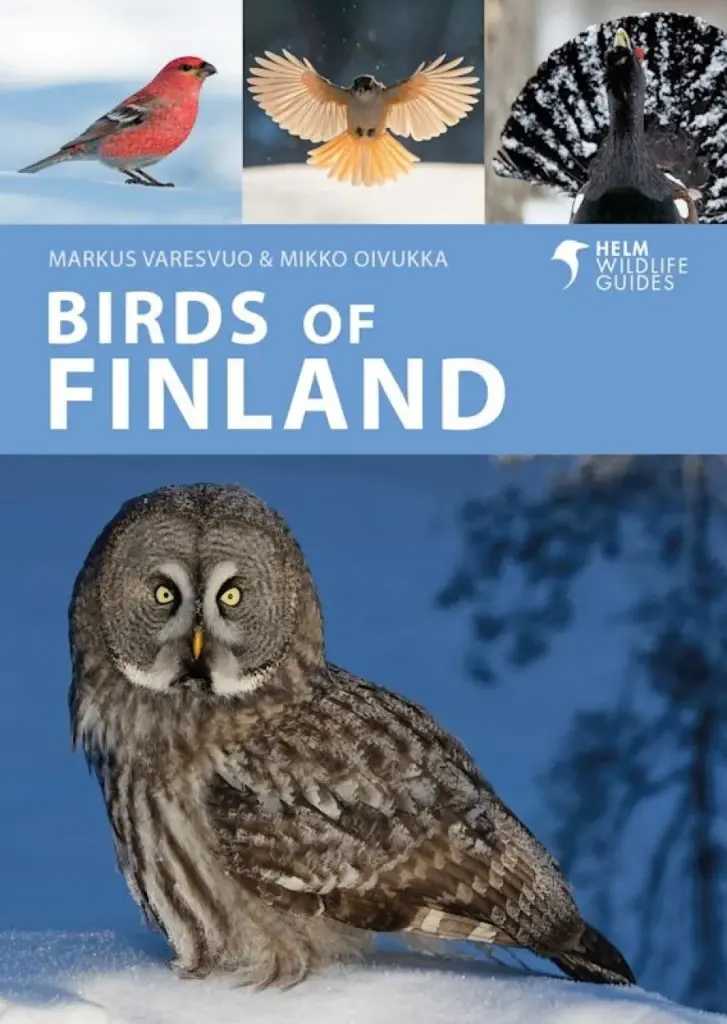
Finland is one of the great European birding destinations. The tundra is the breeding ground for many of Europe’s waders, while the Siberian taiga reaches its westernmost extent here, making Finland home to many forest species that are scarce or absent elsewhere. Renowned for owls, with a remarkable 10 breeding species, Finland boasts an array of birding delights including Azure Tit, King Eider, Red-flanked Bluetail, Siberian Jay and Capercaillie. With photography by world-class photographer Markus Varesvuo and text by Mikko Oivukka, Birds of Finland is the perfect identification guide to 300 species regularly seen in the country. Concise text for each species includes details on identification, songs and calls, behaviour, distribution and habitat, with photographs carefully selected to aid identification. The book also provides a valuable guide to the best birdwatching sites. Portable yet authoritative, Birds of Finland is an essential companion for travellers and wildlife enthusiasts visiting this beautiful, bird-rich country in Scandinavia.
Australian Hawks and Eagles
July 2026
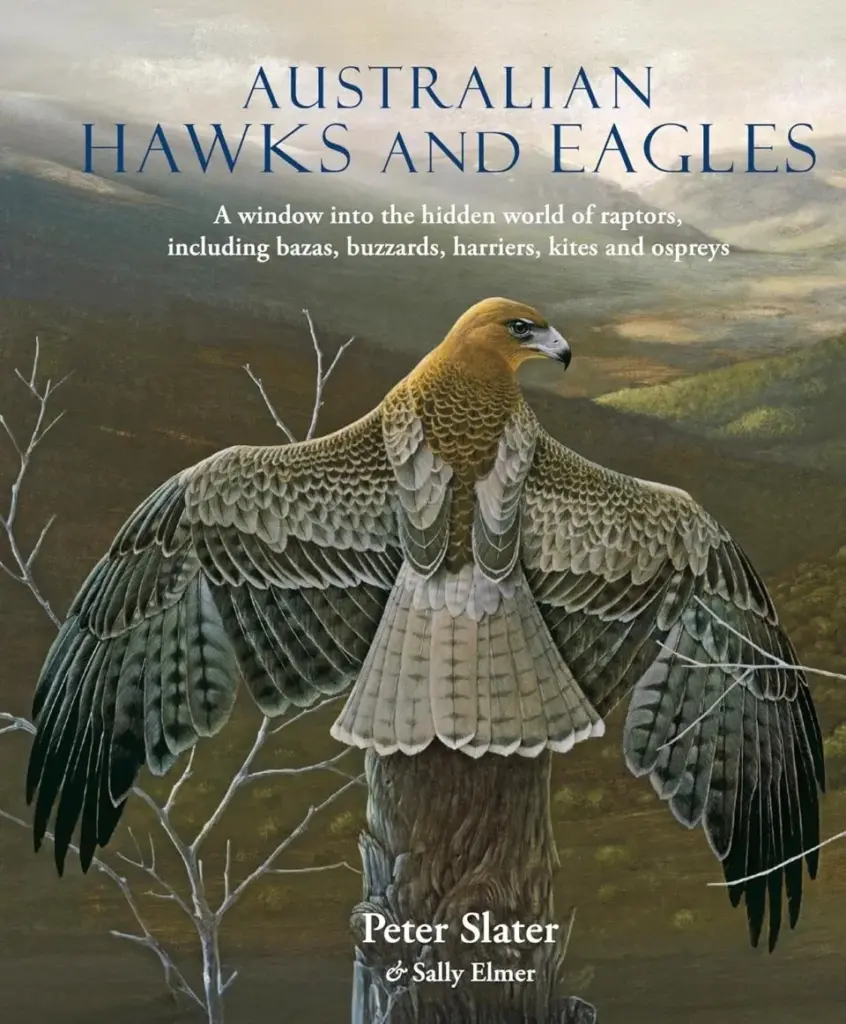
As one of Australia’s best natural history artists, photographers and authors over a period of decades, the late great Peter Slater needs no introduction. Australian Hawks and Eagles showcases five decades’ worth of Peter’s observations and finest work, in conjunction with the equally talented artist Sally Elmer, resulting in the ultimate book on birds of prey ranging in size from the diminutive Collared Sparrowhawk to the mighty Wedge-tailed Eagle. More than 20 species are covered, including goshawks, kites, buzzards, bazas, ospreys and harriers. Engaging text peppered with remarkable first-hand accounts explains all about the lives of these enigmatic birds, while stunning photography and artworks – all produced by the authors during decades of detailed study – provide a window into the hidden world of these raptors, which rarely venture close to people but capture our imaginations with their powerful flight and awesome hunting habits.
A Field Guide to the East Asian-Australasian Flyway
2026
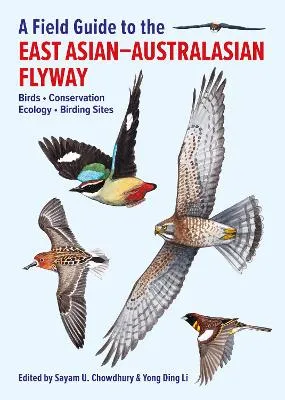
The East Asian–Australasian Flyway is the world’s largest migratory flyway, used by nearly 600 species of migratory bird across Arctic Russia to Malaysia and into the Yellow Sea of Korea and China. Some of the best-known migratory species in the world undertake long and daunting migrations in this flyway. This book covers the natural history of these migratory birds, the threats they face, what is being done to protect them and the best spots to see congregations of these incredible travellers.
The Complete Guide to Patch Birding
August 2026
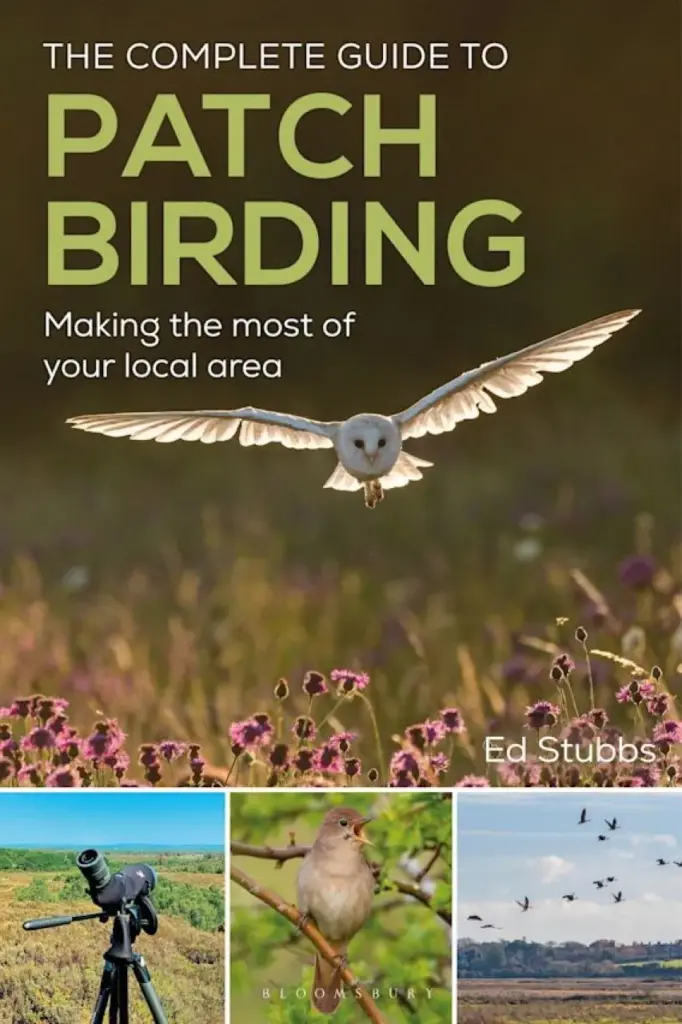
The essential guide to getting the most out of birding in your local area. For birdwatching thrills and excitement, why not look closer to home? You need not rely on hours of travel to reach remote locations – instead choose a local ‘patch’ that you can visit regularly. Cut out the car or unreliable public transport and become familiar with the resident and visiting birds that can be found in your chosen spot, their habits and behaviour, and the subtle changes that occur there throughout the seasons. In The Complete Guide to Patch Birding, you’ll find out how to make the most of local birding, including how to identify and pick a patch, the best times of day to try to find different birds, the essential kit, how to record sightings, understand the impact of weather, and how to find rare birds, as well as information about migration and breeding species. Whether it’s spotting a charm of goldfinches lighting up a gloomy January day, a robin gathering leaves and moss for its new nest in March, the uplifting sight of migratory swallows arriving to signify the start of summer, or hearing the call of young little owls on mild October nights, there are many joys to be had in simply watching and enjoying the birds on your doorstep. This practical guide contains all the information you need to get started.
Owls of the World
August 2026
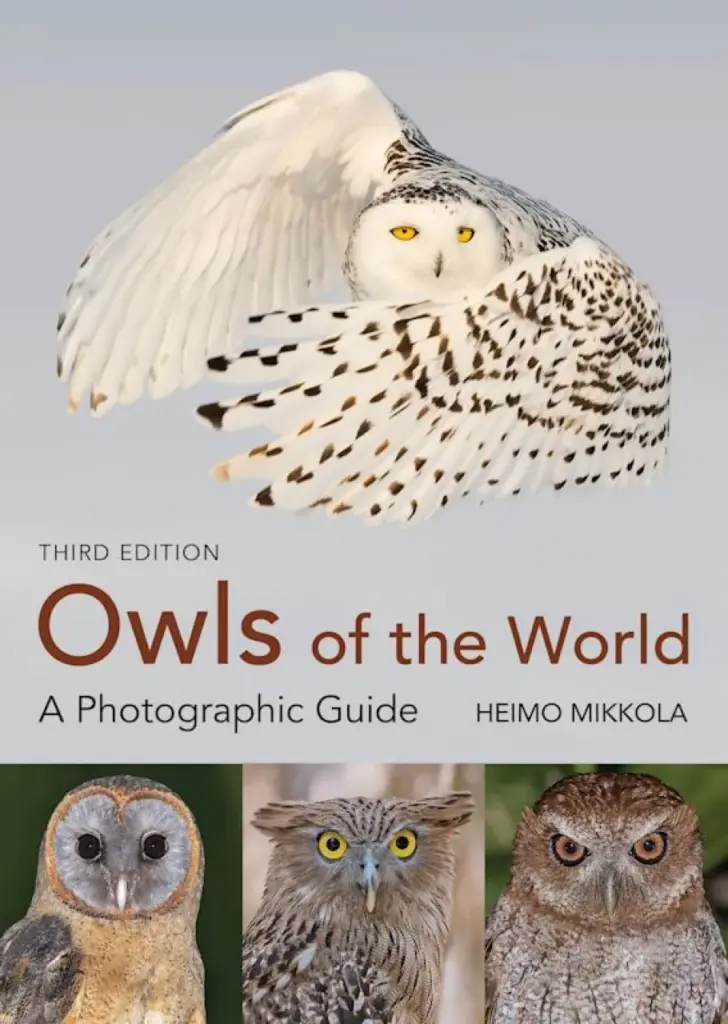
Having trouble separating your screech from your scops owls, Tawny Owl from Tengmalm’s, or Spotted from Collared or Jungle Owlets? Then this is the book for you. Owls of the World is the ultimate photographic resource dedicated to the identification of these charismatic, largely nocturnal birds of prey. This book contains lavish and spectacular photography from dozens of the world’s finest natural history photographers, covering all of the world’s 255 species of owls; particular attention is given to subspecific differences, sexing and ageing. The photos are accompanied by concise text on the identification, habitat, food, distribution and voice of these birds, along with accurate range maps. Ten years on from the second edition, much has changed in terms of taxonomy, and this is fully reflected in a completely updated text, improvements in the maps, and a fresh and improved series of photos (including some species that had never been photographed in the wild previously), giving this book an unparalleled level of coverage as well, of course, as being a work of great beauty in its own right. Heimo Mikkola’s magnificent work is the definitive work on owl identification – no birder’s bookshelf should be without it.
Marine Mammals of the World
November 2026
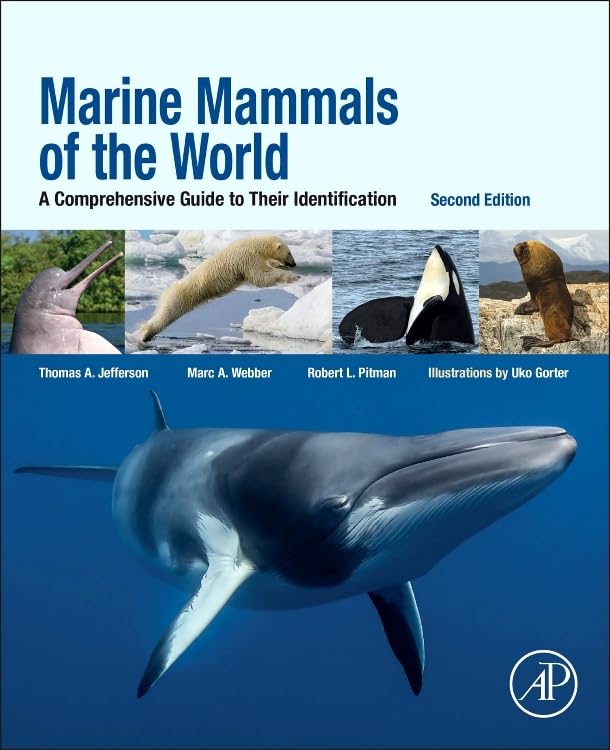
Marine Mammals of the World, 3rd edition describes and illustrates newly discovered and rarely photographed species, making it the most comprehensive and up-to-date identification guide to all the marine mammal species of the world. This latest edition continues to meet the research-focused needs of marine biologists, conservation biologists, and students, as well as weekend whale-watchers and community scientists, by providing an unmatched collection of new illustrations and photos, taking advantage of advances in digital and drone photography. This guide describes the identification features, global distribution, and basic biology of all the extant and recently extinct marine mammal species, including cetaceans, sirenians, pinnipeds, and other marine carnivores. Marine Mammals of the World is a vital resource for marine biologists and ecologists, as well as wildlife managers, conservation and comparative biologists and physiologists. – Provides the most detailed and anatomically accurate illustrations currently available, including more than 750 new illustrations and photographs – Emphasises field identification of species in “challenging groups”, such as the beaked and rorqual whales, southern fur seals, and describes and illustrates rare colour variants and hybrids – Includes keys to identification based on external appearance and skulls – Contains updated taxonomy, including four new species of cetaceans
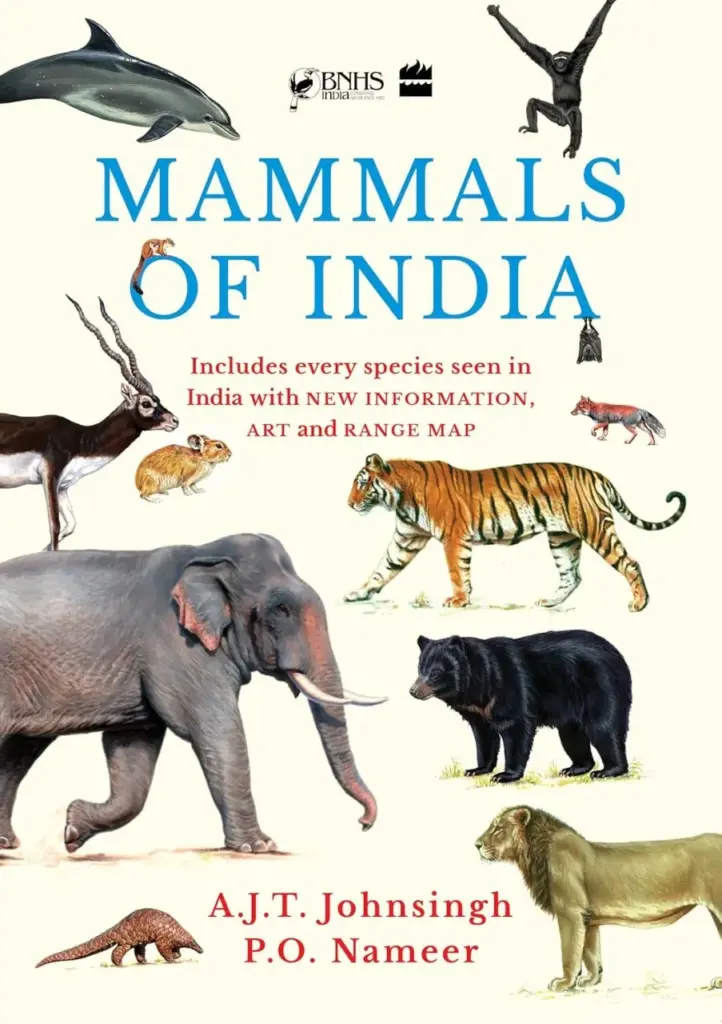
Mammals of India
June 2026
From the lush wetlands of the Sunderbans to the stunning salt waters in the Rann of Kutch and the snowy peaks of the Himalayas to the tropical rainforests in the Deccan, an astonishing variety of mammals co-exists with and sustains human life in India. But the significance of this interconnection is poorly understood. Mammals of India is the first comprehensive guide that tries to fill this gap, documenting the more than 450 currently recognised species of Indian mammals thriving in the rich zoogeography of the subcontinent, including key subspecies and hypothetical occurrences. Written with clarity and precision, it not only provides details on the taxonomy, habitats, population and conservation status of these mammals but also examines the key climatological challenges they have had to adapt to over time and outlines the history of India’s geomorphological evolution. Full of striking illustrations and distribution maps, this is the perfect guide for experts, scholars and enthusiasts and a timely contribution to the field of wildlife protection.
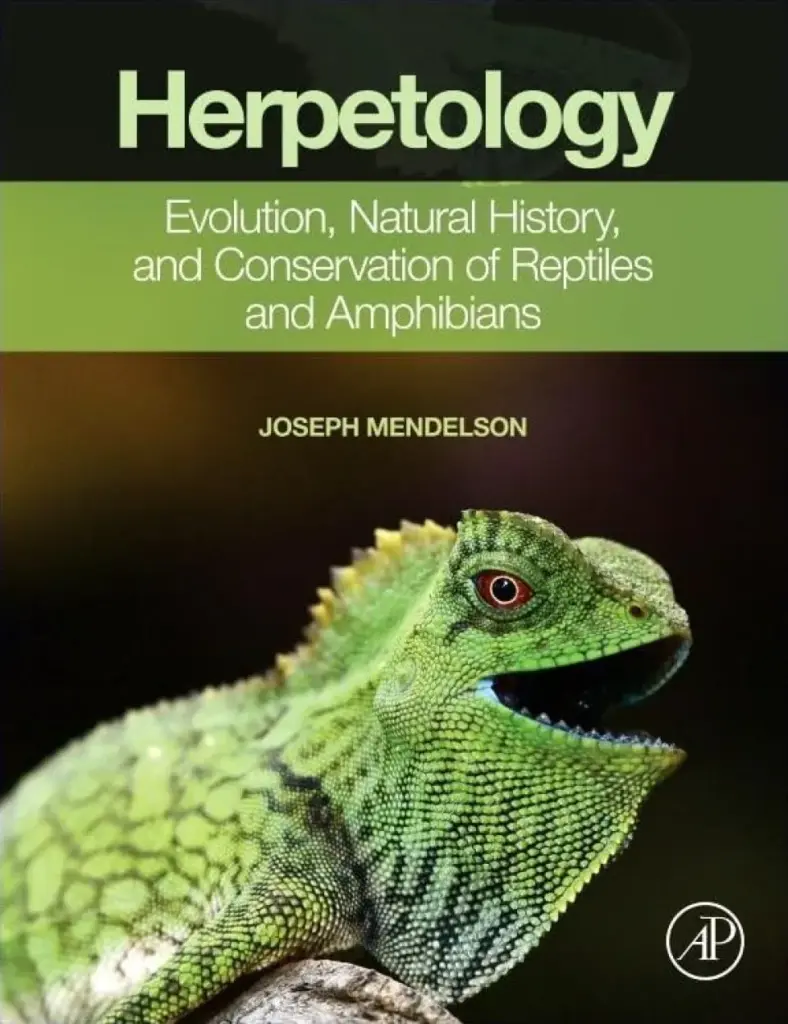
Herpetology
January 2027
Herpetology: Evolution, Natural History, and Conservation of Reptiles and Amphibians offers an extensive overview of the discipline of herpetology and incorporates the most updated information on global reptile and amphibian species. Recognizing that the fields of conservation and genomics have grown exponentially since the leading texts on this topic were last published, this book seeks to provide readers with a contemporary and comprehensive coverage of the topic. This text examines herpetological topics, phenomena, and issues of special importance through the lens of leading subject-matter experts representing diverse voices in the field. Initial chapters introduce readers to the discipline and review evolutionary history, classification, diversity, and distributions of reptiles and amphibians. Subsequent chapters delve into the core concepts of anatomy, development, reproductive and behavioural biology, ecophysiology, and ecology. The book concludes with a discussion of key conservation concerns, including direct and indirect threats to amphibians and reptiles, relevant policy and legislation, and the future of the field. Herpetology: Evolution, Natural History, and Conservation of Reptiles and Amphibians modernizes our understanding of reptiles by embracing birds as a crucial part of reptilian evolutionary history. This book serves as an important resource for researchers, academics, practitioners, and advanced hobbyists alike who seek a sweeping source of information about amphibians and reptiles.
Every bird moults, and every birder sees the effects of this – be it in the shift from winter to summer plumage, or in the often more subtle change from immature to adult. Many birders will want to know the age of the bird they’re watching, but a lot of us lack sufficient knowledge to determine age or are side-tracked by incorrect assumptions. But, by learning a few basic rules, anyone can add an extra dimension to their birding and their understanding of birds by getting to grips with this important aspect of avian life.
Rather than being a specific species-by-species guide, this book focuses on introducing the reader to general principles that can be used to understand the moult and age of virtually any bird. With these tools, we can use a bird’s moult pattern to say how old the bird is and to understand more about its life-history. Whether you are a beginner watching birds in the garden or a rarity-hunter trying to age a rare vagrant, A Practical Guide to Moult and Ageing will enrich your birding and enhance the data you gather.
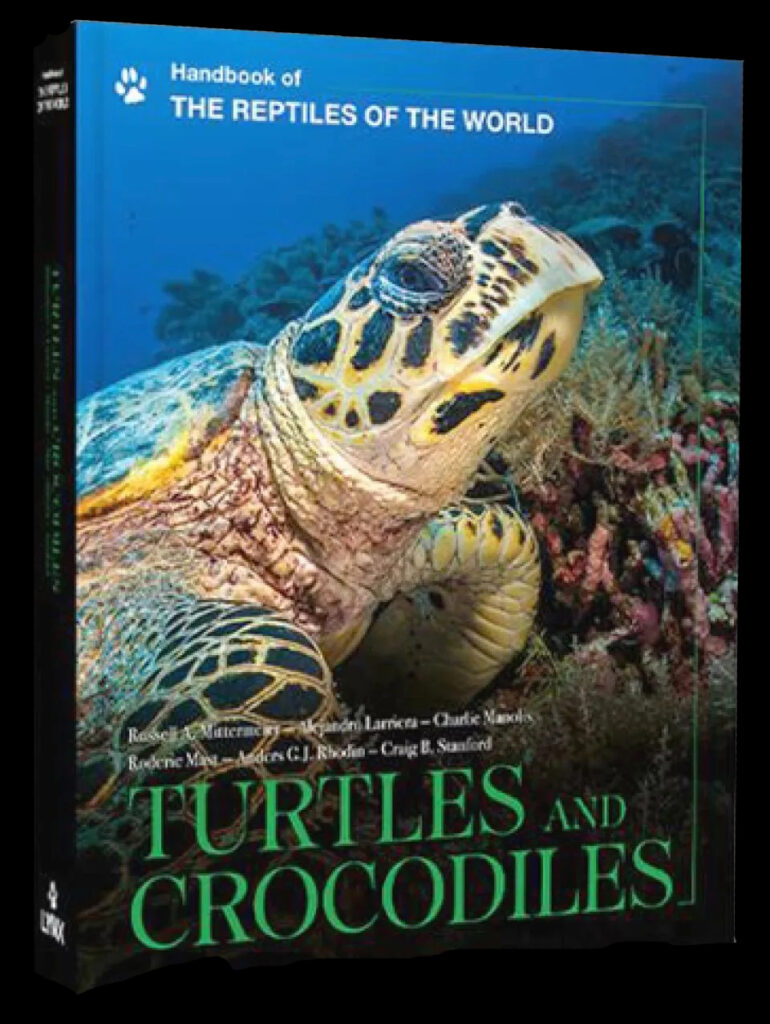
Handbook of the Reptiles of the World. Vol I. Turtles and Crocodiles
August 2026
Turtles and Crocodiles is the first volume of the Handbook of the Reptiles of the World, a landmark multi-volume reference conceived as the definitive resource on reptile diversity. It covers every family of turtles (Testudines) and crocodilians (Crocodylia), presenting the most current information on taxonomy, morphology, distribution, habitats, ecology, and conservation status. Richly illustrated with hundreds of plates and photographs, the book offers a detailed treatment of these ancient reptilian lineages – from their evolutionary history and ecological significance to the conservation challenges they face today. Highlights include iconic reptiles such as sea turtles, tortoises, and the Saltwater Crocodile, as well as many lesser-known but equally fascinating species that exemplify the diversity of these groups. With authoritative texts written by leading specialists and supported by high-quality illustrations and distribution maps, this volume provides an indispensable reference for researchers, conservationists, and all those passionate about the world’s reptiles. Features: – 17 comprehensive family chapters – More than 600 high-quality photographs – 400+ colour plates with detailed scientific illustrations – 384 updated distribution maps
Every bird moults, and every birder sees the effects of this – be it in the shift from winter to summer plumage, or in the often more subtle change from immature to adult. Many birders will want to know the age of the bird they’re watching, but a lot of us lack sufficient knowledge to determine age or are side-tracked by incorrect assumptions. But, by learning a few basic rules, anyone can add an extra dimension to their birding and their understanding of birds by getting to grips with this important aspect of avian life.
Rather than being a specific species-by-species guide, this book focuses on introducing the reader to general principles that can be used to understand the moult and age of virtually any bird. With these tools, we can use a bird’s moult pattern to say how old the bird is and to understand more about its life-history. Whether you are a beginner watching birds in the garden or a rarity-hunter trying to age a rare vagrant, A Practical Guide to Moult and Ageing will enrich your birding and enhance the data you gather.
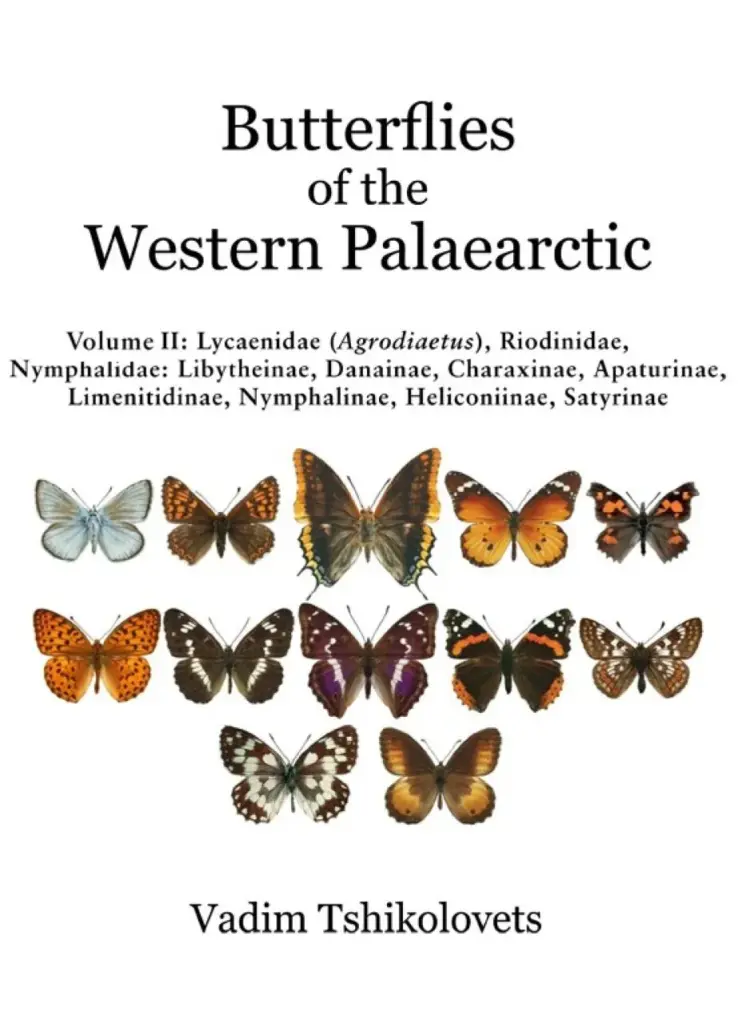
Butterflies of the Western Palearctic. Vol. II
2026
This is the second of two volumes that covers the butterflies of the West Palaearctic region from the Azores and Canary Islands through Europe, North Africa, the Middle East, Iraq, Iran, and the Caucasus to the eastern slopes of the Ural Mountains, western Kazakhstan and Uzbekistan, and the eastern border of Turkmenistan. Together, the two books cover 922 species (432 in the first volume and 490 in the second), with over 20,000 unique illustrations: colour photographs of over 12,000 set specimens, including males, females, upper- and undersides of wings, type specimens, many rare species and subspecies; approximately 12,000 colour photographs of butterflies in nature and their habitats, including historical photographs of biotopes that have been destroyed in recent years. The book includes about 900 colour distribution maps. The text covers nomenclature, distribution, ecological and phenological data, and discusses taxonomic issues. For many species, differences are described and illustrated, allowing for reliable identification based on external and internal morphology. This publication summarises the most important information and knowledge accumulated over the past 300 years, presented in a user-friendly format.
Every bird moults, and every birder sees the effects of this – be it in the shift from winter to summer plumage, or in the often more subtle change from immature to adult. Many birders will want to know the age of the bird they’re watching, but a lot of us lack sufficient knowledge to determine age or are side-tracked by incorrect assumptions. But, by learning a few basic rules, anyone can add an extra dimension to their birding and their understanding of birds by getting to grips with this important aspect of avian life.
Rather than being a specific species-by-species guide, this book focuses on introducing the reader to general principles that can be used to understand the moult and age of virtually any bird. With these tools, we can use a bird’s moult pattern to say how old the bird is and to understand more about its life-history. Whether you are a beginner watching birds in the garden or a rarity-hunter trying to age a rare vagrant, A Practical Guide to Moult and Ageing will enrich your birding and enhance the data you gather.
Atlas of European Mammals
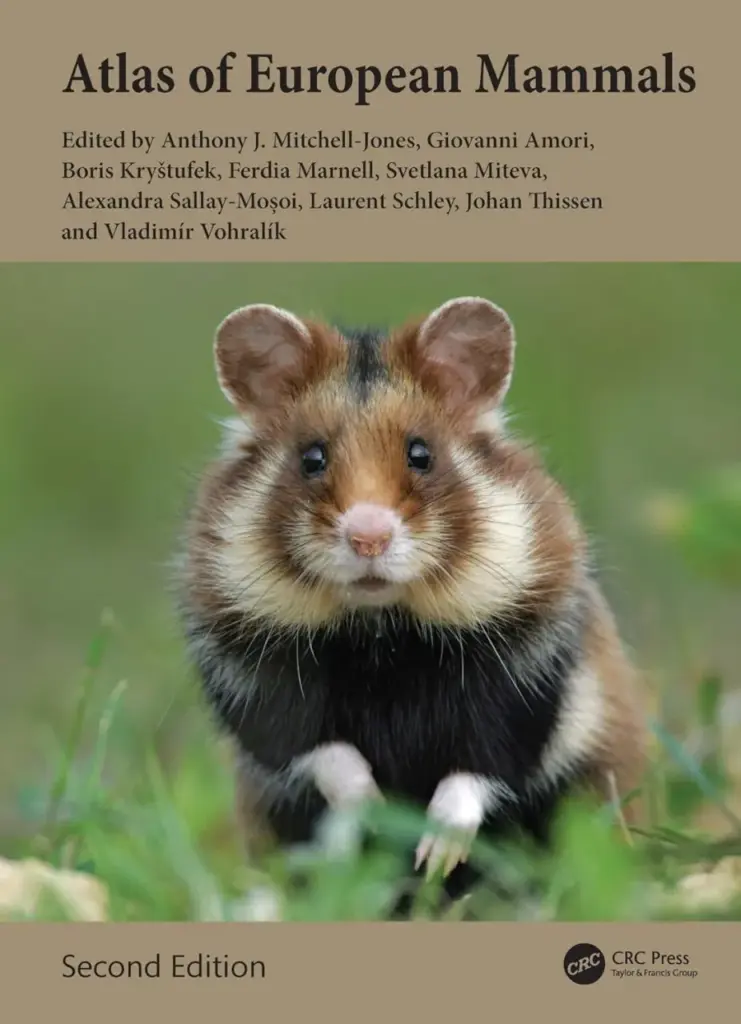
September 2026
As the threats to wildlife continue to increase, precise and timely information on species distribution is essential. Since 1999, The Atlas of European Mammals has proved a widely cited and valuable resource for mammalogists across the globe. Now thoroughly updated, the new edition has extended the coverage of Europe. Specialists have collected and validated distribution data for each country using an agreed species list and a standard mapping system. This landmark volume presents maps of 247 species from 42 countries with more than 125,200 unique records, taking into account recent extinctions to give the most up-to-date picture possible. Accounts for each species include details of taxonomy and variation, habitat, population and international legal and conservation status.
Every bird moults, and every birder sees the effects of this – be it in the shift from winter to summer plumage, or in the often more subtle change from immature to adult. Many birders will want to know the age of the bird they’re watching, but a lot of us lack sufficient knowledge to determine age or are side-tracked by incorrect assumptions. But, by learning a few basic rules, anyone can add an extra dimension to their birding and their understanding of birds by getting to grips with this important aspect of avian life.
Rather than being a specific species-by-species guide, this book focuses on introducing the reader to general principles that can be used to understand the moult and age of virtually any bird. With these tools, we can use a bird’s moult pattern to say how old the bird is and to understand more about its life-history. Whether you are a beginner watching birds in the garden or a rarity-hunter trying to age a rare vagrant, A Practical Guide to Moult and Ageing will enrich your birding and enhance the data you gather.